This article may contain affiliate links. If you buy through them, Everyday Nesting may earn a small commission at no extra cost to you. Learn more.
The couch went against the long wall of the living room the day the movers set it down, because that is where a couch goes in an empty room, or so it seemed. It stayed there for two months, angled toward a television that caught a hard glare from the window every evening between five and seven, right when I actually wanted to sit down and use it.
An empty room lies about scale
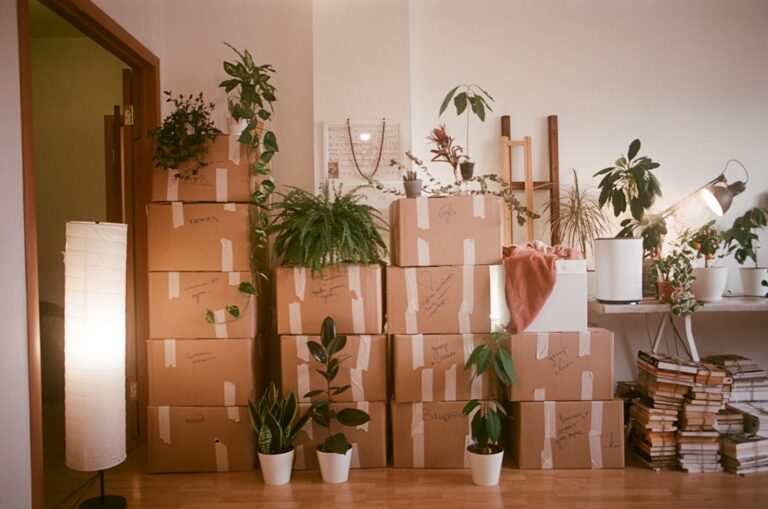
Standing in the apartment before anything was in it, the living room looked large enough that the couch against the long wall seemed like the obvious, spacious choice. Once the couch, a coffee table, and a bookshelf were actually in the room, that same wall placement made the walking path from the front door to the kitchen cut directly across the middle of the seating area, so every trip to the kitchen meant stepping over someone’s feet or around the coffee table at an angle that never felt natural.
An empty room does not show you the walking paths you will actually use, because there is nothing yet forcing you to walk any particular way. Furniture creates the paths. You cannot know the right paths until the furniture is there, which means the first placement is close to a guess no matter how carefully you measure beforehand.
The glare I did not think to check
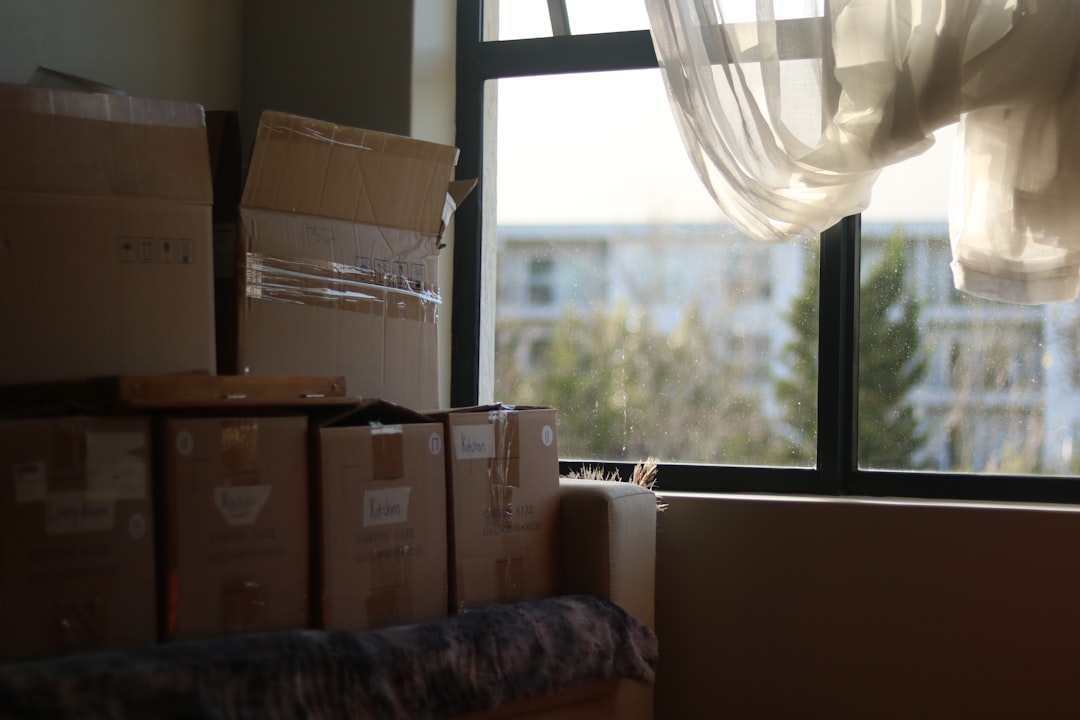
The television faced a window I had only seen during a daytime walkthrough, when the light through it was soft and unremarkable. I had not thought to check what that window did at 6pm in the specific month I moved in, when the sun sat low enough to hit the screen directly. For two months I adjusted blinds every evening, which worked as a fix but was an extra step I performed daily for something that could have been avoided by placing the TV on a different wall from the start.
What finally got me to move it was not the glare itself, which I had adapted to, but a friend visiting and asking, half joking, why I ran the blinds like a daily ritual before turning on the TV. Hearing it out loud made it obvious that I had normalized a workaround for a placement problem instead of just fixing the placement.
What moving the couch actually fixed
The eventual rearrangement put the couch on the shorter wall, angled slightly away from the window rather than facing it, and moved the television to the long wall instead. The walking path from the door to the kitchen opened up along the room’s actual edge instead of through the middle. The glare stopped being a daily problem. None of this was visible to me standing in the empty apartment on move-in day, and I do not think it would have been visible even with a tape measure and a floor plan sketched in advance, because the problem was not dimensions, it was light and movement, two things that only show up once you are actually living in the space.
Measuring a room tells you what fits. Living in a room for a couple of weeks tells you what works, and those are not the same question.
A short list of what to actually watch for in the first two weeks
- Where the sun lands at the times you are actually home, not just during a daytime showing
- Which walking path you take without thinking, and whether the furniture is currently in that path
- Where you naturally set down keys, mail, and a bag when you walk in, before you have set up anywhere “official” for that
- Which seat in the room you actually choose when you sit down to relax, versus which one you assumed you would prefer
Why I stopped committing to placement on day one
In the apartment after that one, I set furniture down roughly where it seemed to belong and told myself explicitly that nothing was final for two weeks. That permission mattered more than I expected. Without it, moving a couch two days after setting it down feels like admitting a mistake. With it, moving a couch on day nine feels like following through on a plan you made from the start. The furniture ends up in the same place either way, eventually, but giving yourself the two weeks upfront means you get there without living through two months of a daily blind ritual first.