This article may contain affiliate links. If you buy through them, Everyday Nesting may earn a small commission at no extra cost to you. Learn more.
Somewhere in our first year in this apartment, my partner and I had what I can only describe as a running low-grade disagreement about light bulbs. I would come home and swap a bulb in the bedroom lamp for something warmer, and a week later I would notice it had been swapped back to something cooler and whiter. Neither of us was doing this maliciously. We each genuinely thought the other version looked wrong, in a way that was hard to explain without sounding fussy about something as small as a bulb.
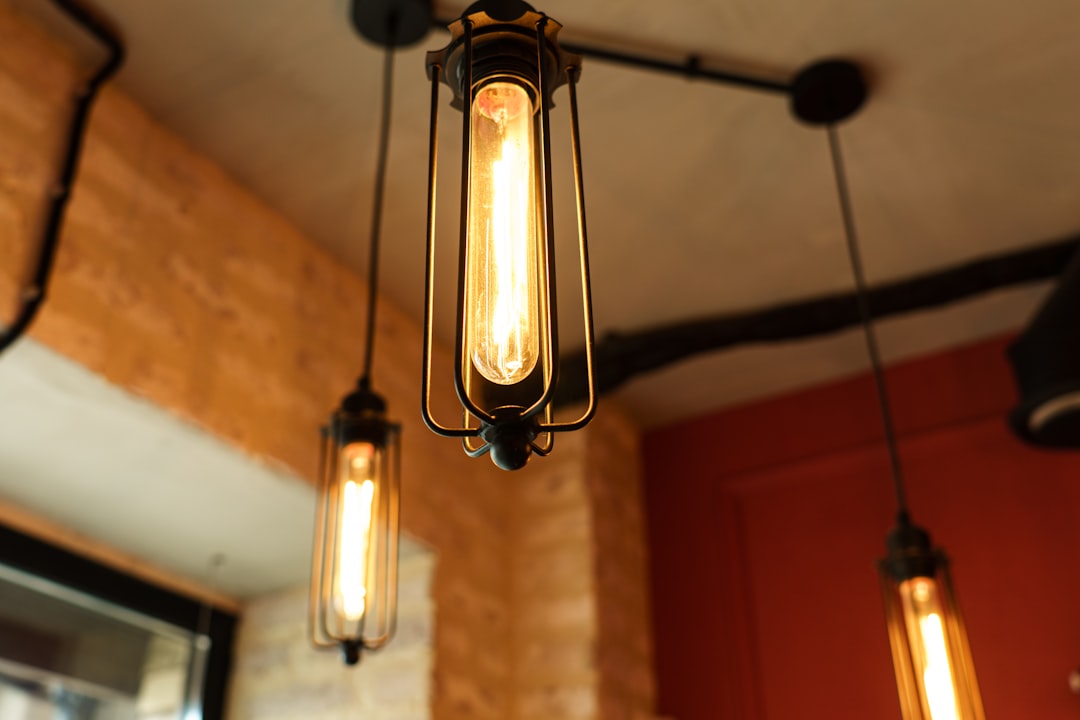
What finally ended the standoff was not compromise so much as understanding what we were actually disagreeing about. Color temperature, measured in a number that shows up on almost every bulb box now, describes how warm or cool the light looks, not how bright it is. A bulb around 2700K reads as warm and yellowish, closer to candlelight or an old incandescent bulb. Something around 4000K or higher reads as cooler and whiter, closer to daylight or the light in a hardware store. Brightness, measured separately in lumens, is a different question entirely, and I had been conflating the two for months without realizing it.
Why the same bulb felt different to each of us
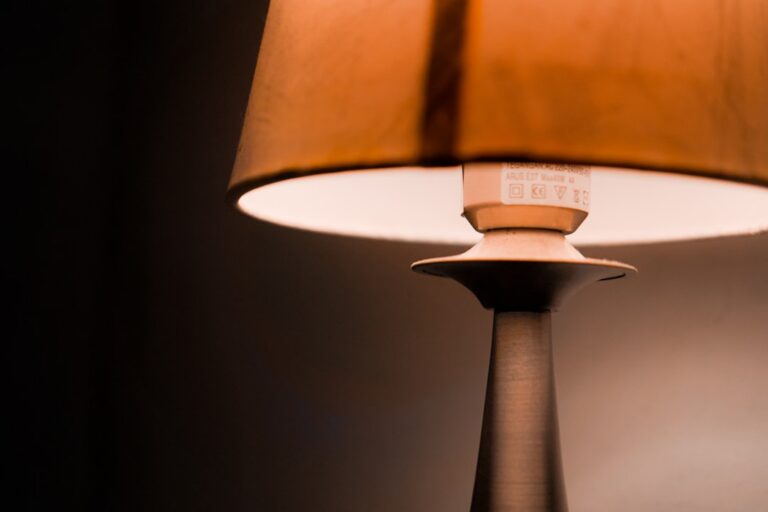
Once I understood the distinction, I did something a little silly but useful. I bought a pack of bulbs in three different temperatures, all the same brightness, and we tried them one at a time in the same bedroom lamp over a few nights, rating how each one made the room feel on a scale we made up on the spot. My partner consistently rated the warmer bulbs as cozy and mine as sleepy, almost sluggish. I rated the cooler bulbs as sharp and mine as sterile, like being examined rather than relaxed.
Neither reaction was wrong. It turned out we simply wanted different things out of the same room at the same hour, which is a much easier problem to solve than one of us being right and the other being wrong about a lamp.
We were not disagreeing about the bulb. We were disagreeing about what the room was for.
The fix that actually stuck
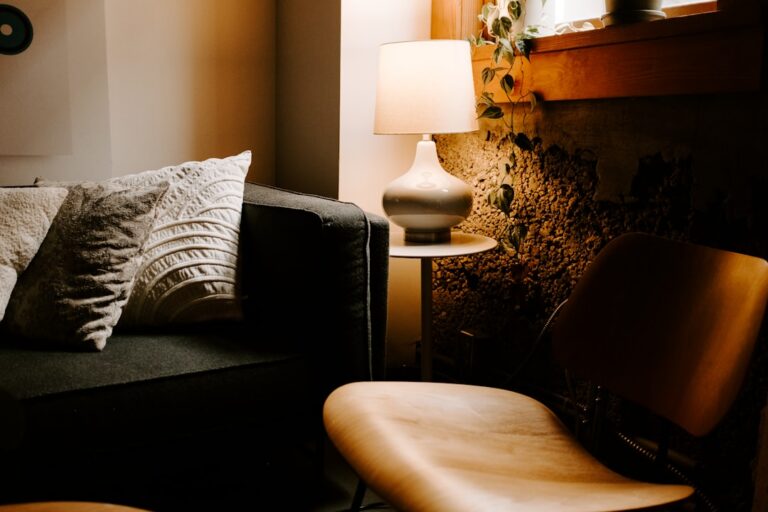
We ended up putting a warm bulb, something close to 2700K, in the main bedroom lamp, since that is the room where we both agreed cozy mattered more than sharp. The bathroom got a cooler bulb, closer to 4000K, because getting ready in the morning benefits from being able to actually see your face clearly, and neither of us wanted cozy lighting while checking for something stuck in our teeth. The desk lamp in the corner of the bedroom, which gets used for actual work sometimes, got its own cooler bulb too, separate from the main lamp, so the room can hold both moods depending on which lamp is on.
This took a bit of trial and error to land on. My first attempt put a cool bulb in the desk lamp but left the main lamp at a middling 3000K, trying to split the difference, and it satisfied nobody. It was too cool to feel restful and too warm to feel useful for reading fine print. Splitting the difference on temperature turned out to be worse than picking a clear warm and a clear cool and letting each lamp commit to its own job.
Brightness matters just as much as temperature
The other piece I had been ignoring was lumens, the actual brightness number. A warm bulb that is also very bright can still feel harsh, and a cool bulb that is dim can still feel soft. For a bedroom lamp meant for winding down, I now look for something in the range of 450 to 800 lumens, which is roughly what an older 40 to 60 watt incandescent bulb used to put out, paired with that warm color temperature. For the bathroom, where actually seeing matters more, I go brighter, closer to 800 to 1100 lumens, paired with the cooler temperature.
What I would tell someone in the middle of the same disagreement
If two people in the same home keep swapping the same bulb back and forth, it is worth asking what each person actually wants from that room, rather than treating it as a matter of correct versus incorrect taste. A bedroom used purely for sleeping and reading in bed wants something different than one that doubles as a home office corner. A single lamp in a shared space cannot always serve both needs, and sometimes the honest answer is a second lamp with a different bulb, aimed at a different purpose, rather than one bulb trying to make everyone happy at once.
We have not swapped a bulb back and forth in months now. It was never really about the bulb. It was about finally naming what each of us needed the light in that room to do.